



Okay, so check this out—I’ve used half a dozen Solana wallets and extensions over the past few years. Wow, Phantom stands out. Seriously. It’s fast, lightweight, and the UX feels like it was designed by people who actually use crypto every day. My instinct said “this will be clunky,” but then I installed it and the frictions mostly disappeared. At the same time, somethin’ about browser-extension wallets still makes me cautious—they’re convenient, but they also demand respect.
Phantom is a browser extension wallet for Solana and it’s become the de facto choice for many DeFi and NFT users on that chain. The setup is straightforward: install, create or import a wallet, save your seed phrase, and you’re ready to sign transactions. On one hand it’s annoyingly simple in the best way—on the other hand, if you breeze through the warnings you might regret it later.
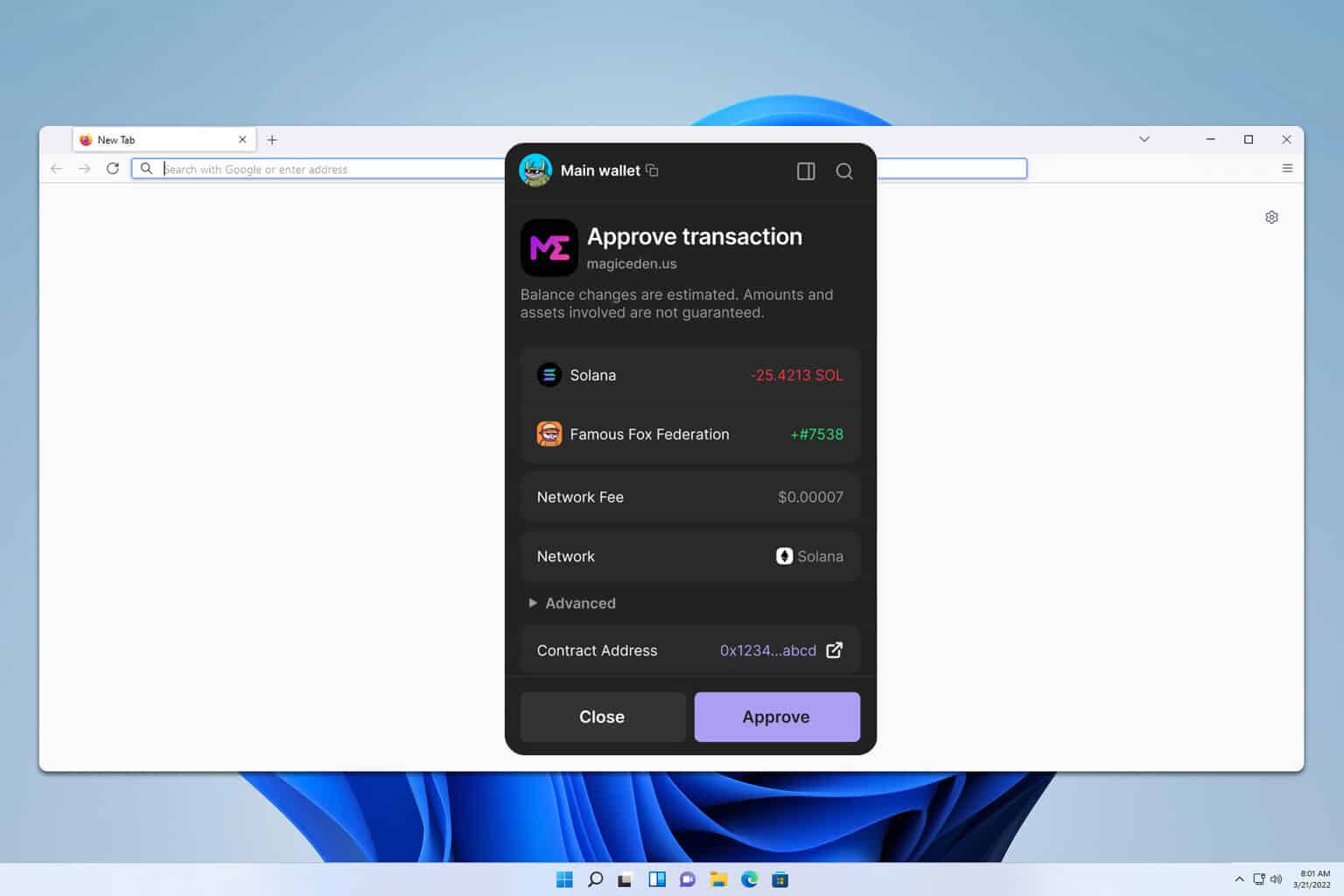
What Phantom Does Well
Fast transaction signing. Low friction. Clean UI. I’ll be honest—those matter. For daily DeFi moves or quick NFT buys, speed matters more than fancy features. Phantom keeps the clutter out of the way and gives you the essentials: balances, token swaps (built in), NFT viewing, and easy connection to dApps.
Integration with dApps on Solana is near-universal. Connect buttons on marketplaces and DeFi sites almost always recognize Phantom instantly. On a technical level, Phantom uses Solana’s wallet adapter patterns, which makes building integrations simpler for devs and more reliable for users. That matters when gasless-seeming transactions fail otherwise—this tends to feel less flaky with Phantom.
There’s a built-in token swap that’s handy for small trades without pulling out a full DEX. It’s not a replacement for a dedicated orderbook or pro-level DEX workflow, but it’s great for convenience. And the UI for NFTs is surprisingly good—you can see previews, metadata, and transfer without jumping through too many hoops.
Security: What to Watch For
Here’s what bugs me about browser extension wallets in general: they sit inside your browser’s attack surface. Phishing sites, malicious extensions, or clipboard malware can cause serious trouble. So yeah, Phantom is secure in many ways, but you’ve got to practice safe habits.
First rule: never paste your seed phrase anywhere online. Ever. If a site asks for it, walk away. Second: keep your extension up to date and only install official versions from trusted sources. If you want the extension, use the official link I trust and use: phantom. Third: consider a hardware wallet for large balances and connect it through Phantom when possible—it’s one of those “do it now” tradeoffs between convenience and security.
Initially I thought browser extensions would be enough for most folks, but then I realized that the marginal risk of leaving a big balance in an extension is too high for many users. Actually, wait—let me rephrase that: small balances for experimenting? Fine. Long-term stash? Not so much.
Practical Tips for Everyday Use
Use a dedicated browser profile for crypto. Seriously, create a profile you use only for wallets and dApps. It reduces exposure to tracking extensions and random bookmarks that might be malicious.
Label accounts if you hold multiple wallets. Phantom supports multiple accounts and it’s tempting to mix funds. I learned this the hard way—accidental sends are a real thing. Also, double-check network endpoints if you’re using custom RPCs; some public RPCs have rate limits or privacy concerns.
Watch approvals. Some dApps request open approvals that let them spend your tokens indefinitely. On one hand, that’s convenient; on the other hand, it’s a permission you might not want to give forever. Revoke when you can, and periodically check permissions.
DeFi and NFTs — Workflow Notes
For DeFi: Phantom’s swap is great for quick moves, but for slippage-sensitive trades or large orders, use a specialized aggregator or DEX and connect Phantom as your wallet. For yield farming, expect extra steps—contract approvals, staking dashboards, and sometimes manual claim actions.
For NFTs: Phantom surfaces collections nicely, but metadata rendering can be inconsistent across marketplaces. If you’re buying high-value NFTs, confirm contract addresses and marketplace reputations. Oh, and gas on Solana is cheap, but congestion happens—don’t panic if transactions slow; check a block explorer before retrying blindly.
FAQ
Is Phantom safe for beginners?
Yes for small amounts and learning. No for large, long-term holdings unless you pair it with a hardware wallet or cold storage. Phantom is user-friendly and widely used, but basic security hygiene is essential.
Can I use Phantom on mobile?
Phantom has mobile options and a mobile app, but the browser extension remains the most common desktop experience. Use the official app or link through trusted sources; avoid third-party clones.